
The late Robert Asprey once wrote that ‘many persons go to the grave with unrecognised abilities, having either failed to find opportunity or recognise it when it came.’ His words raise an interesting point about those with recognised ability who both find and recognise opportunity, yet are still unable to capitalise upon it; are they beyond redemption?

I use this article not to analyse the fall of Mrs May, for already those who are better placed zealously engage in such documentation, but to comment upon the nature of life and how that which seems almost inevitable can in a moment become impossible. For what is spun by Clotho, allotted by Lachesis, and confirmed by Atropos, can never be undone; matters little what the polls say.
That which begun with a twenty percent lead in the polls ended with a reduction of a parliamentary majority. Thus, the well-used knives of Tory backbench butchers and the equally savage daggers of the right-wing media have long been unsheathed and the wielders bay for the blood of another august leader.
Yet, If Theresa had resisted the winds of change and emerged with a majority which matched what the early polls were predicting would we not be talking about the age of May? Of a unified Tory party bound to a ‘bloody difficult’ feminine leader? Of the daringly egalitarian nature Mayism? Of the realignment of the British right? Of the seizure of the working classes by an adroit strategist? Of the resurrection of the indomitable Iron Lady? And the restitution of that kind of Tory rule which acquired such an air of permanency under Baroness Thatcher? Instead her majority was wiped away, alongside it her authority and indeed her destiny.
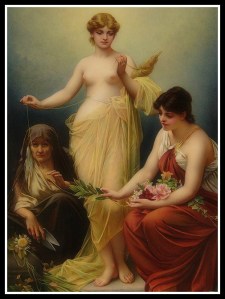
So, is she to be condemned for dithering, wavering, and finally imploding when the crown hovered above her brow? Or was her campaign simply a colossally personal prism of human insecurity, obstinacy, and limitations? Which, surely, can be forgiven as but human characteristics we all share.How many of us dwelt happily upon the certainty of our impending success, only to be given a harsh reminder by the Fates of our fallibility? Who has not made premature plans with the proceeds of a job they had yet been offered? Only to be disappointed with a rejection email. Which one among us has not planned for a lifetime with a partner, often staking our futures upon them, whose name now causes revolted memories to re-emerge? Has any, save the extremely fortunate and idly young, not been moved on from a job they wished to keep? Who doesn’t have regrets about those missed opportunities, late applications, unspoken words, unmade calls, or uninspired performances which cost us that which we desired?
Surely then, Mrs May is not alone.
Lest we forget, amidst the furore which engulfs this country when a great figure threatens to topple. Once, Britain looked as if she would be shaped by the vicarish county girl, who loathed the bourgeois schemers of the Notting Hill set (rightly so), cared for the millions of working class families (questionably so), and governed with a calming authority (briefly so). Yet, in the euphoria of British mania it is clear to all that well lain plans, are but opportunities, and as Asprey surmises it is only those who seize opportune moments which we remember as great. Yet, it is right to remember also that those who do not grasp the moment of reckoning are often as talented as those who go on to achieve acclaim. There are graveyards, occupied by men and women, and streets full of those walking towards them, with undoubted ability who failed to achieve the accolades their natural talent warranted.
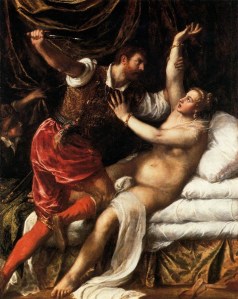 If this is fate, the fate of us all, why then the intense pleasure taken in viewing pain in others we ourselves have (often daily) felt? For surely, Clotho, Lachesis, and Atropos allow none to escape their silken labyrinth and it is a fate which awaits us all in some form. ‘Tis a question not to be answered, rather reflected upon, by a society which so euphorically revel in the fall of Mrs May. Yet, not by loathsome Tory schemers who jostle eagerly for the throne, daggers in hand, smiles upon faces, treacherous intent fixed in hearts. Faint splatters of blood still remain in Westminster’s hallowed walls from the Caesarean death given to Baroness Thatcher, Mrs May should prepare herself with haste for a similar execution. For there is little doubt that the gentle words written here will do little to soften hard Tory hearts. The only questions which remains is who shall wield the deathly sword? And wear the crown hereafter?
Succession aside, this writer must own to sympathy with one who like himself, and us all, was unable to fulfil a dream which was clearly dear to her.


Leave a Reply